
IVF Diet: What to Eat Before, During, and After Treatment
IVF diet may affect your ovulatory function as well as the quality of sperm of your partner. Explore what food to eat and avoid before and after embryo transfer.
Introduction
In vitro fertilization (IVF) is a remarkable medical advancement that has helped countless couples realize their dreams of parenthood. For those undergoing IVF, a well-balanced diet can play a significant role in supporting the success of the treatment. In this article, we will explore the key aspects of an IVF diet, including what to eat before, during, and after embryo transfer, as well as foods to avoid and the importance of maintaining a healthy diet throughout the IVF process.
Foods to eat before and after embryo transfer and preparing for your IVF:
In preparation for your IVF treatment adjustment of your diet may boost your natural fertility (have positive impact on fertility in case of ovulatory dysfunction) and some studies have found that it may also increase the results of your treatment. The studies on the IVF results from following specific diet have been controversial: some of them find positive association with following Dutch diet or Mediterranean diet for women and couples going through IVF, but other studies found no significant impact.
Also some individual foods and supplements have demonstarted positive impact in improving natural fertility.
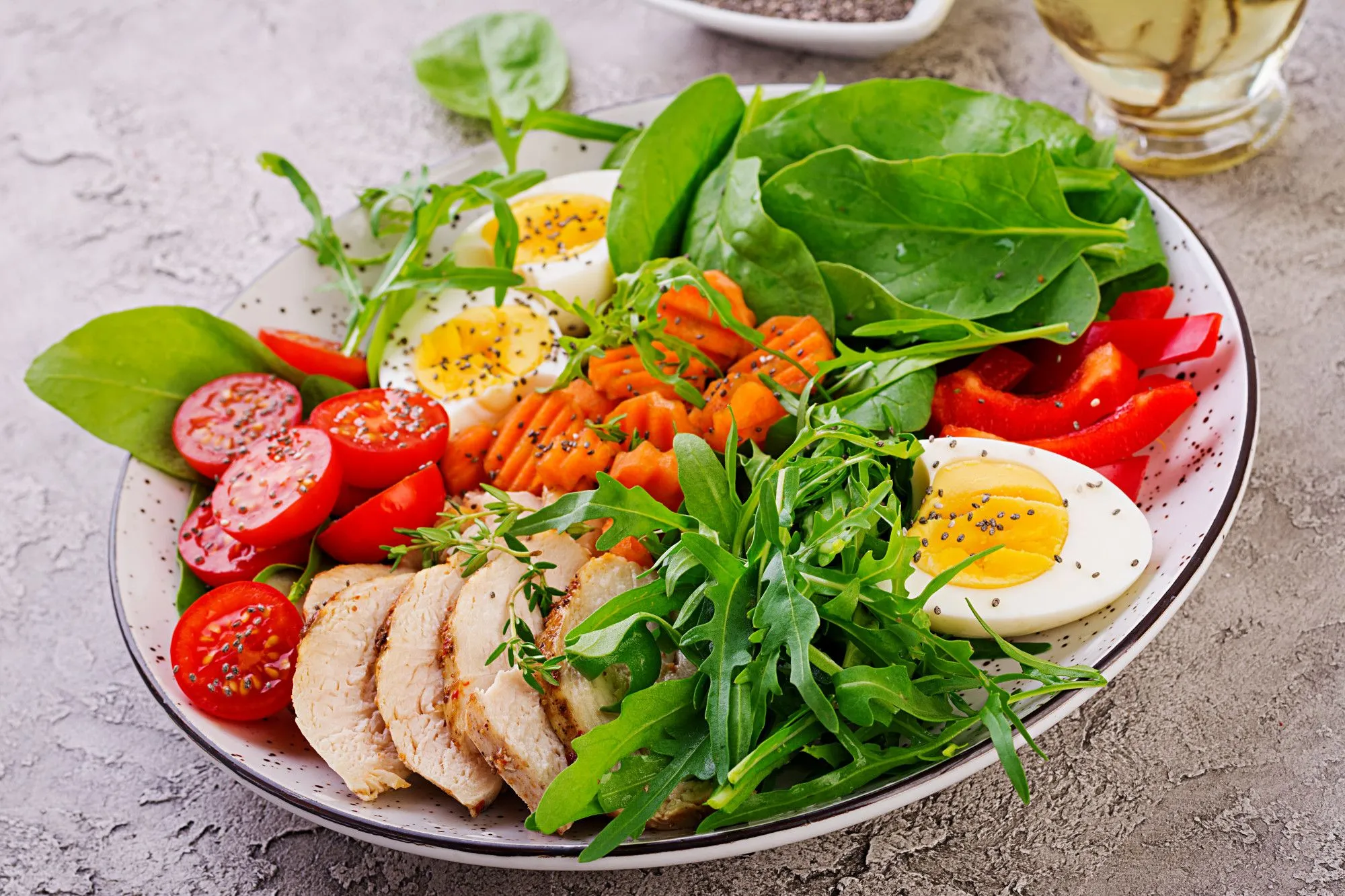
The fertility-boosting foods include: whole grain, fruits and vegetables, full-fat dairy, fish and soy.
Supplements that are proven to positively affect fertility include: multivitamins and vitamin B, omega-3, follic acid,
While in most of the cases diet is proven to work specifically for ovulatory disorders, there is also negative correlation between BMI index and iVF results and as well as, so in some cases diet adjustments may be necessary to improve the results of your IVF treatment. Consult with a fertility doctor to understand your individual circumstances. Schedule an appointment with a nutritionist, to start adjusting your diet.
Foods to Avoid During IVF:
- Caffeine: Excessive caffeine intake (more than 5 cups per day) may negatively impact fertility, so consider reducing your consumption. For male partners, caffeine consumption doesn’t seem to affect semen parameters.
- Alcohol: While there is no significant evidence that moderate alcohol consumption has negative impact on fertility, it is recommended to avoid alcohol or excessive alcohol consumption (more than 2 drinks a day). Excessive alcohol consumption also is shown to negatively impact sperm parameters and male sexual function.
- Processed Foods (trans-fatty acids): Limit processed foods high in sugar, salt, and unhealthy fats, as they can affect overall health and ovulatory function.
- Seafood consumption: Avoid fish with high mercury levels, such as shark, tuna, swordfish, and king mackerel and seafood. High mercury levels were associated with decreased fertility for both women and men.
- Meat: Decrease red meat consumption and substitute it with other protein sources (like vegetable protein or fish).
- Food that is high in sugar was associated with higher risk of ovulatory dysfunction. So it’s better to limit sugar consumption.
IVF Diet Plan:
Consider working with a registered dietitian or nutritionist to create a personalized IVF meal plan that aligns with your specific needs and goals. They can help you ensure you’re getting the right balance of nutrients throughout your IVF journey. Find fertility nutritionist.
Conclusion:
An IVF diet can be a valuable tool in supporting your fertility and overall health during the IVF process. By adjusting your diet and BMI, you can optimize your chances of a successful IVF outcome and, ultimately, a healthy pregnancy. Consult with a nutritionist to get personalized guidance tailored to your unique circumstances.